13th October 2026 Proliferation of unlicensed public Wi-Fi hotspot operations affects the integrity of Uganda’s…
UGANDA WINS SEAT ON THE AFRICAN TELECOMMUNICATIONS UNION ADMINISTRATIVE COUNCIL
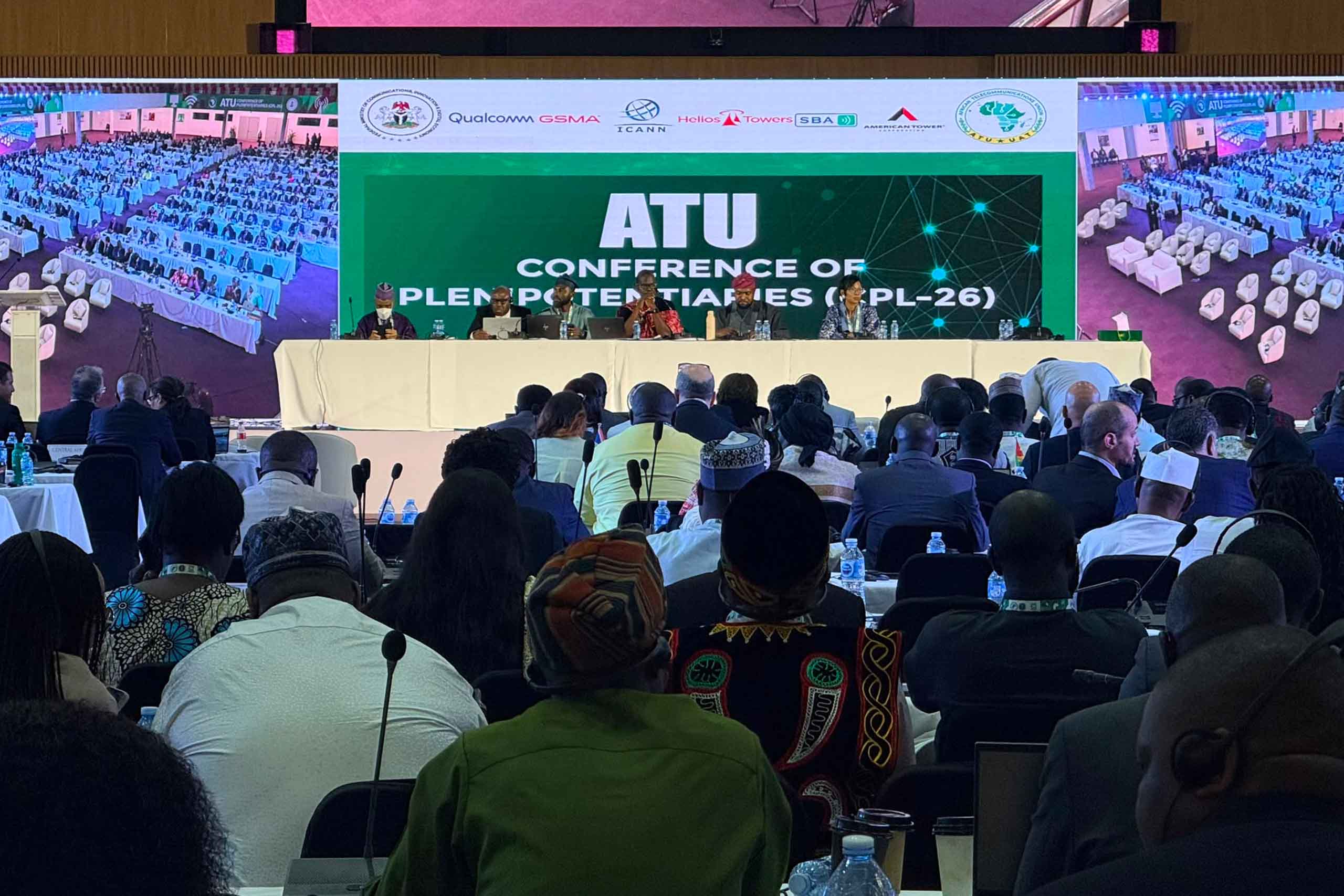
ABUJA, July 24, 2026 – Uganda has been elected to the African Telecommunications Union (ATU) Administrative Council, securing a place among the leaders who will shape Africa’s digital future over the next four years.
Uganda’s election was the highlight of a successful African Telecommunications Union Conference of Plenipotentiaries (CPL-26) held in Abuja, Nigeria. The conference also elected Zambia’s Kezias Kazuba Mwale as the new Secretary‑General of the Union. Eng. Mwale succeeds Kenya’s John Omo, who has led ATU for the past eight years.
The election of Uganda to the Council is more than diplomatic success. It places Uganda at the heart of continental decision-making on digital connectivity, telecommunications policy, cybersecurity, spectrum management, innovation, and emerging technologies that will influence the lives of millions of Africans. It is a clear endorsement of Uganda’s growing contribution to regional ICT policy and recognition of the country’s commitment to advancing Africa’s shared digital agenda.
The ATU Administrative Council is the Union’s governing body between Conferences of Plenipotentiaries. It oversees the implementation of strategic priorities, provides policy direction, strengthens governance, monitors financial sustainability, and coordinates Africa’s common positions ahead of major global telecommunications meetings.
At a time when digital technologies are transforming economies, education, healthcare, trade, and public services, decisions made by the Council will help shape how Africa expands connectivity, protects digital infrastructure, develops artificial intelligence, strengthens cybersecurity, and ensures that no one is left behind in the digital age.

WHY THIS ELECTION MATTERS
Africa is home to one of the world’s youngest and fastest-growing populations, yet it remains the least connected region globally. Although digital innovation is accelerating across the continent, millions still lack affordable, reliable internet access due to infrastructure gaps, high connectivity costs, limited digital skills, and uneven investment. Conference delegates agreed that addressing these challenges requires stronger regional cooperation and coordinated policies rather than isolated national efforts.
As the African Union’s specialised agency for telecommunications and ICT, ATU brings African countries together to develop common positions on spectrum management, digital infrastructure, cybersecurity, standards, digital services, artificial intelligence, and data governance before engaging with the rest of the world.
This collective approach has delivered remarkable results, with African common proposals getting adopted at major global ICT conferences in recent years, significantly strengthening the continent’s influence on international telecommunications policy.
UGANDA’S VOICE WAS HEARD
Uganda’s election did not occur in isolation. Throughout the conference, the Ugandan delegation actively contributed to discussions on strengthening the Union’s governance, sustainability, and future direction.
During deliberations on the Strategic and Financial Plan for 2027–2031, Uganda reaffirmed its commitment to the ATU’s objectives and championed stronger governance by welcoming the adoption of the Union’s Risk Management Framework and recommending that future reports provide clear updates on the implementation of risk-mitigation measures. The proposal reflected Uganda’s emphasis on accountability, transparency, and institutional resilience, principles that are increasingly important as Africa’s digital ecosystem continues to expand.
This year’s Conference of Plenipotentiaries centred on a single defining objective: achieving meaningful connectivity across Africa.
Delegates agreed that connecting every African will require more than simply expanding mobile coverage. Success will depend on technology-neutral policies that enable fibre, mobile broadband, satellite, and community networks to complement one another and make digital services more affordable, accessible, secure, and inclusive.
Discussions also highlighted the need to invest in digital skills, strengthen cybersecurity, encourage innovation, improve regulatory frameworks, and expand partnerships between governments, regulators, industry, and development partners. These priorities are expected to guide the ATU’s work over the coming years.


WHAT IT MEANS FOR CITIZENS
While the election took place in Abuja, its impact will extend far beyond the conference halls. The policies shaped by the ATU Administrative Council influence how African countries coordinate spectrum management, expand broadband infrastructure, improve cybersecurity, support innovation, and develop digital services.
For Uganda, this creates an opportunity to contribute more directly to regional decisions that affect internet access, digital inclusion, investment in communications infrastructure, cross-border cooperation, and the future of emerging technologies such as artificial intelligence.
It also strengthens Uganda’s ability to advocate for policies that reflect national priorities while contributing to Africa’s broader digital ambitions.
Election to the Administrative Council marks an important step forward from contributing to discussions to helping shape the strategic direction of Africa’s premier telecommunications organisation.
It is a recognition that Uganda has earned the confidence of fellow member states to help guide decisions that will influence the continent’s digital future. Indeed, the election affirms Uganda’s growing role as a trusted regional partner. For Africa, it strengthens the collective leadership needed to build a digitally connected, resilient, and prosperous continent.
With this new responsibility comes an opportunity to deepen collaboration, promote innovation, strengthen digital governance, and ensure Africa continues speaking with one united voice in global ICT discussions.

Related Posts