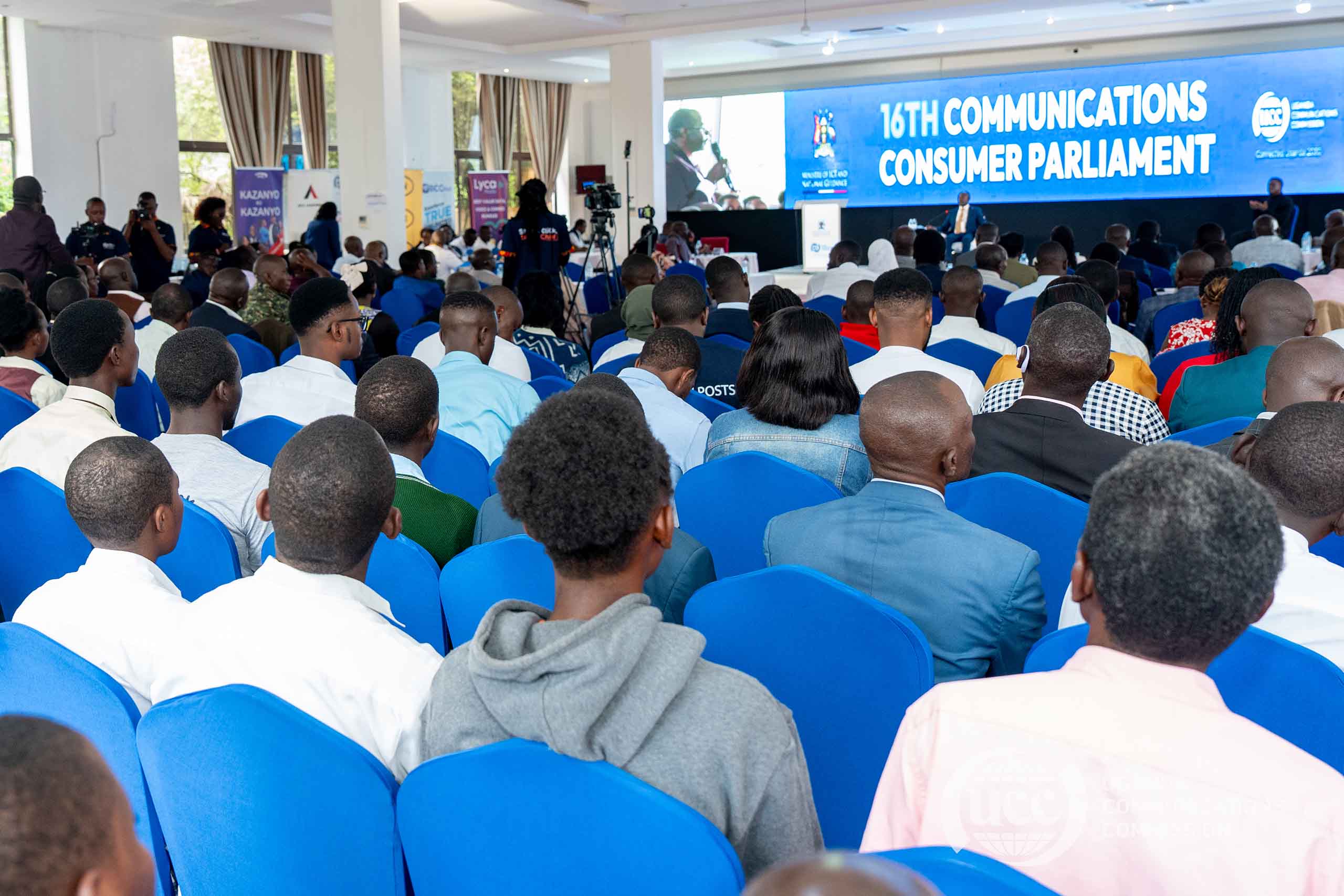
FORT PORTAL, October 15, 2026 - The Uganda Communications Commission (UCC) has called for stronger…
From Local Craft to Global Customer: How UCC’s e-Booster Programme Is Opening Digital Markets for Tourism MSMEs

BWINDI, October 19, 2026 – Around Uganda’s iconic national parks, community tourism businesses are finding new ways to showcase their products, connect with visitors and take their place in the digital economy.
A visitor planning a trip to Uganda may spend weeks researching gorilla trekking, chimpanzee tracking, accommodation and cultural experiences before arriving. Yet, beyond the major attractions, some of the people who make these destinations memorable can remain difficult to find online.
A craft maker with distinctive handmade products, a community guide with intimate knowledge of the forest, or a homestay offering an authentic local experience may have something valuable to offer but lack the digital tools, skills or online visibility needed to reach potential customers before they arrive.
This gap between having a product to sell and being visible to the people who might buy it is one of the challenges that the E-Business Eco-Tour Portal (e-BETP) seeks to address.
Implemented by Likana Safaris Uganda Limited, with support from the Uganda Communications Commission (UCC) through the Uganda Communications Universal Service and Access Fund (UCUSAF), the initiative is helping tourism-related micro, small and medium enterprises (MSMEs) around Uganda’s national parks to connect with the digital marketplace. The initiative is part of UCC’s e-Booster programme, implemented in partnership with Makerere University Business School (MUBS). Launched in 2023, the programme supports homegrown ICT solutions designed to address challenges across sectors including agriculture, health, education, finance and tourism.
At its heart is a simple idea: the economic opportunities generated by tourism should extend beyond the main attractions to the local enterprises, artisans and community groups that contribute to the visitor experience. An online presence can make that possible. By making products and services discoverable before a tourist reaches the destination, digital platforms offer businesses another route to the market.
Through e-BETP, participating enterprises can showcase their products and services, provide descriptions and pricing, and share the cultural stories behind their offerings. Tourists can explore available options and, where supported by the platform, make advance arrangements for products or experiences.
The approach has potential benefits for both sides. Visitors gain a convenient way to discover authentic community-based offerings, while local businesses have an opportunity to reach customers beyond their immediate surroundings.
The project focuses on communities around Bwindi Impenetrable National Park, Kibale National Park and Mgahinga Gorilla National Park, where tourism supports a range of small enterprises, from craft sellers and community guides to accommodation providers and artisan cooperatives.
To address challenges pertaining to internet connectivity and appropriate equipment, the e-BETP project incorporates Community Digital Hubs designed to bring connectivity, equipment and digital skills support closer to the people expected to benefit. Consequently, community Digital Hubs have been launched in Bigodi, in the Kibale area, and Buhoma, near Bwindi Impenetrable National Park. The facilities provide access to internet-connected computers and other equipment, alongside opportunities for training and practical engagement with digital services.
UCC officials Eng. Susan Nakanwagi, James Mpango and Job Kikule joined representatives of Likana Safaris, local leaders, tourism stakeholders and members of the participating communities at the recent launch of the hubs. At Buhoma, the hub was established with 10 internet-connected computers, workstations and a 65-inch Smart TV.
Beyond the equipment, discussions during the launch centred on digital marketing, presenting products effectively online, continued skills development and the long-term sustainability of the facility. These considerations are important because digital inclusion is not achieved simply by installing computers or extending an internet connection. People need opportunities to learn, practise and apply their skills.
For a craft seller, that might mean learning to photograph products, write clear descriptions and communicate with prospective buyers. For a guide or accommodation provider, it could involve presenting services online, responding to enquiries and managing bookings more effectively. The hubs offer a shared environment in which such skills can be developed, helping businesses that might otherwise struggle to access the necessary resources.
However, a digital listing is the starting point, not an end in itself. Product quality, accurate information and reliable communication will all influence whether online visibility translates into sustainable business activity. This is why the combination of a marketplace, community access points and practical digital skills is central to the project’s approach.

Besides, digital marketplaces can create new opportunities, but they can also exclude people who lack smartphones, affordable data or the skills needed to navigate online services. The e-BETP model recognises that challenge by incorporating community digital hubs and SMS alerts intended to help reach community members who may not have smartphones or consistent access to digital services. The broader objective is to ensure that technology serves as a practical enabler of opportunity rather than another requirement that small businesses must meet without assistance.
The initiative also illustrates how Uganda’s approach to universal communications access has evolved. Over time, the universal access agenda has increasingly encompassed not only access to communications infrastructure but also the capacity to use digital technologies for social and economic development.
The launch of the hubs and the e-BETP project in general provide a foundation, but the initiative’s longer-term significance will be determined by what participating businesses are able to achieve with the resources available to them. Relevant indicators will include the number of enterprises actively using the platform, the range and quality of products and services listed, customer enquiries, completed transactions, repeat business and the extent to which digital tools contribute to improved business performance. Equally important will be whether community members continue to use the hubs, whether training translates into practical skills, and whether the facilities remain accessible and operational over time.

These outcomes will require sustained engagement among the stakeholders, including UCC, local leaders, tourism sector players and the participating communities. Businesses will also need to maintain accurate listings, respond to customers and deliver the products and experiences they advertise. If these elements come together, the platform and hubs could help local enterprises diversify how they reach customers and reduce their dependence on visitors discovering them only after arriving at a destination.
Related Posts