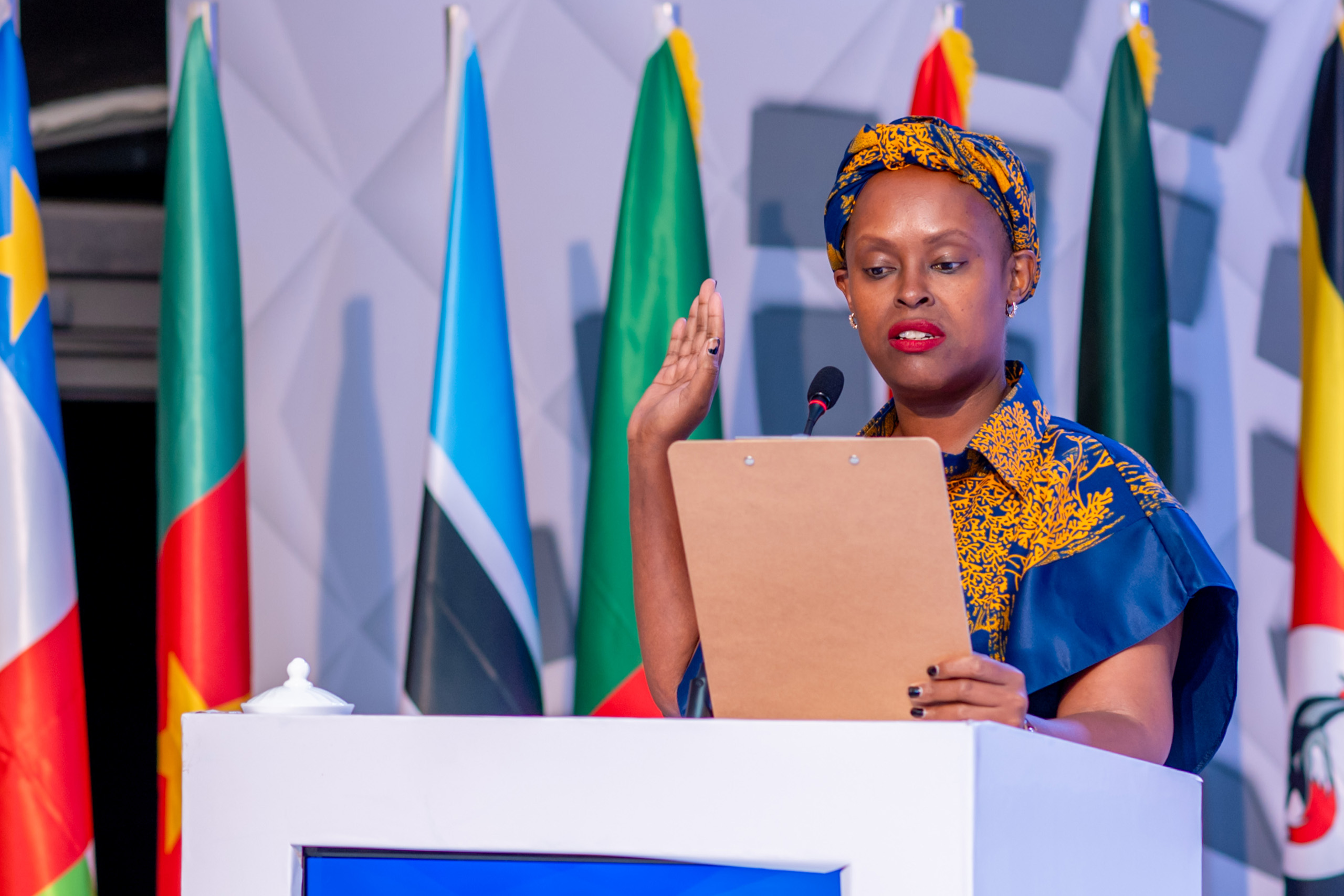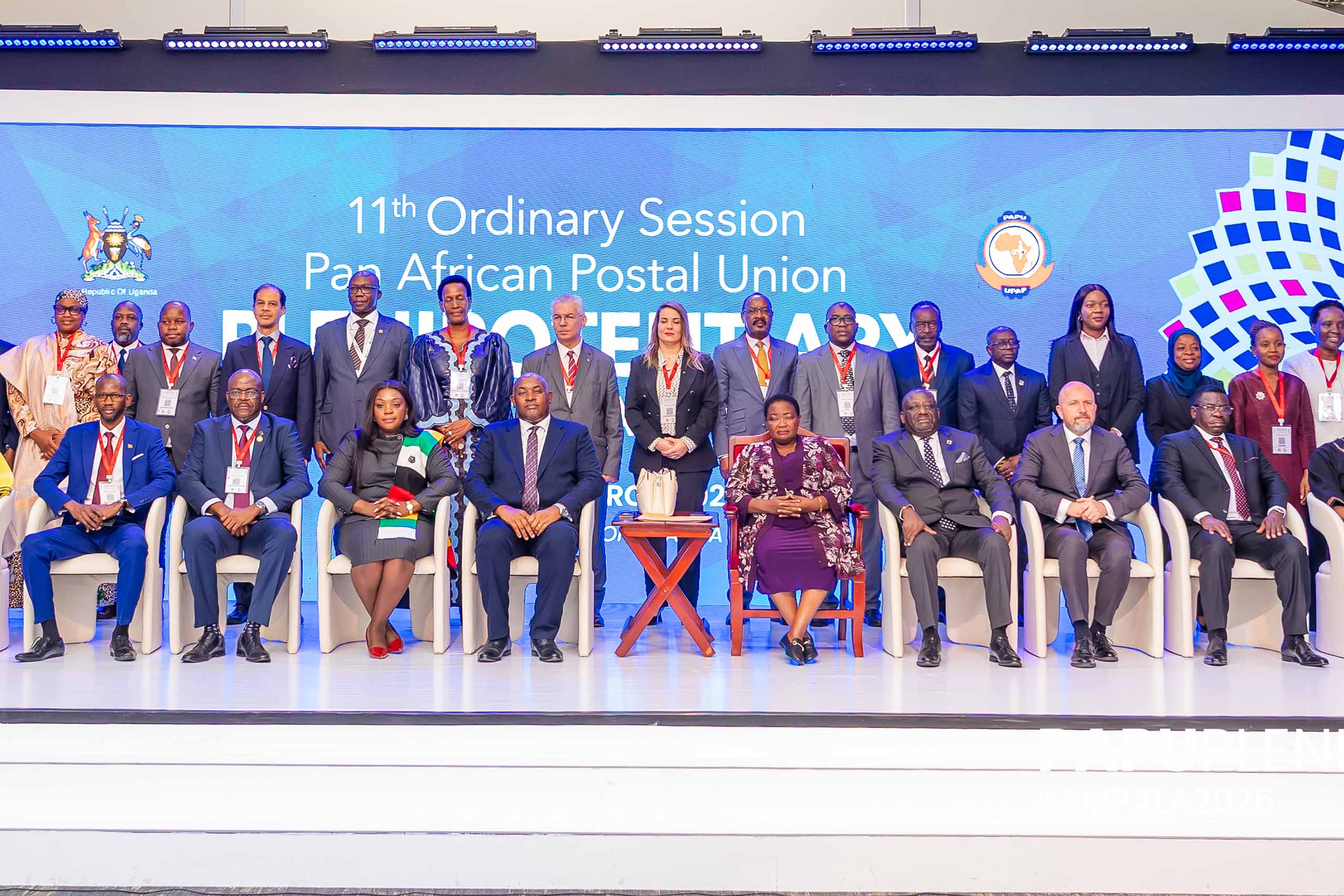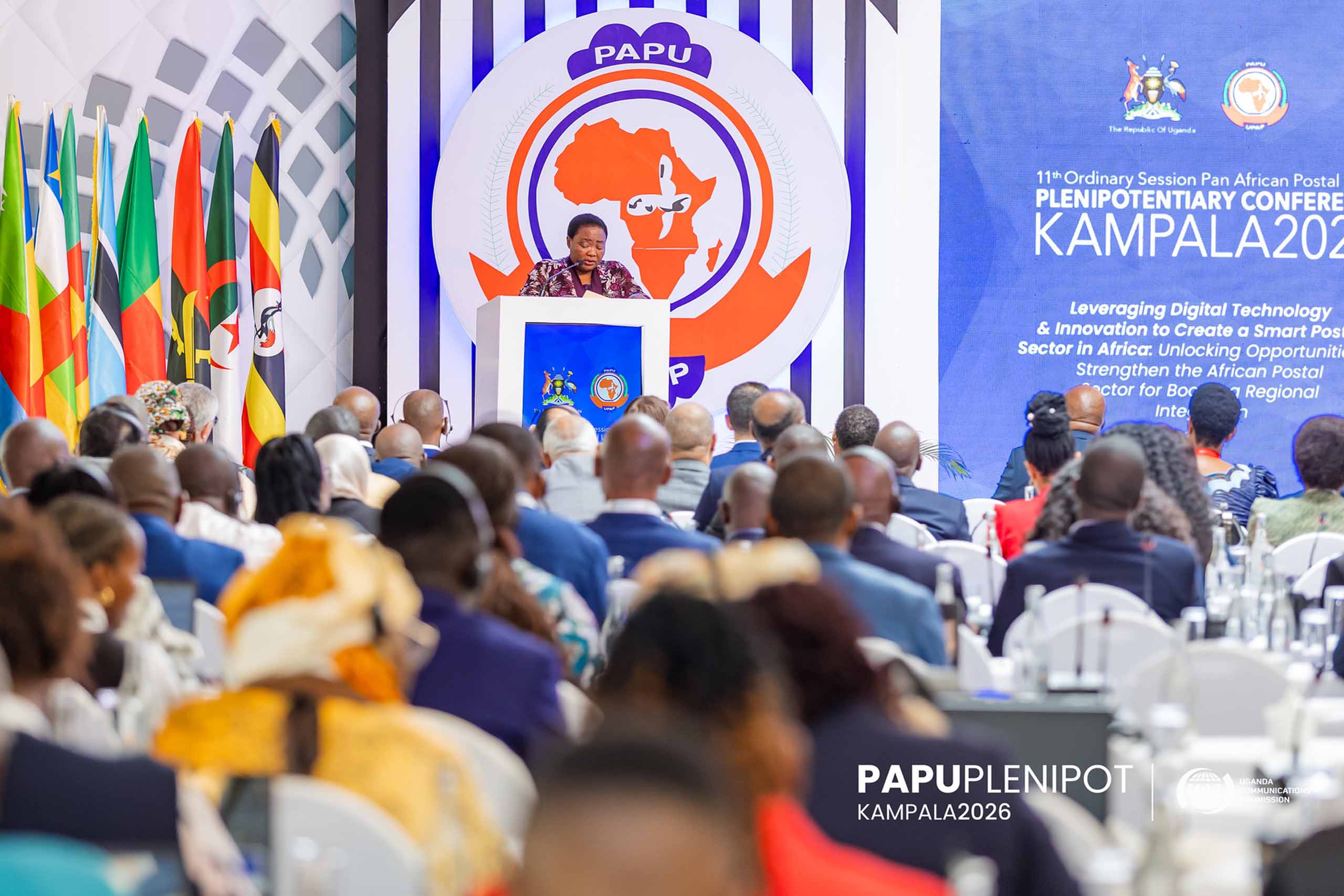
KAMPALA, March 28, 2026 - Uganda’s Jessica Hope Ssengooba was on Friday night re-elected Assistant…
UCC CLARIFIES STARLINK STATUS, CAUTIONS AGAINST FAKE NEWS AHEAD OF ELECTIONS
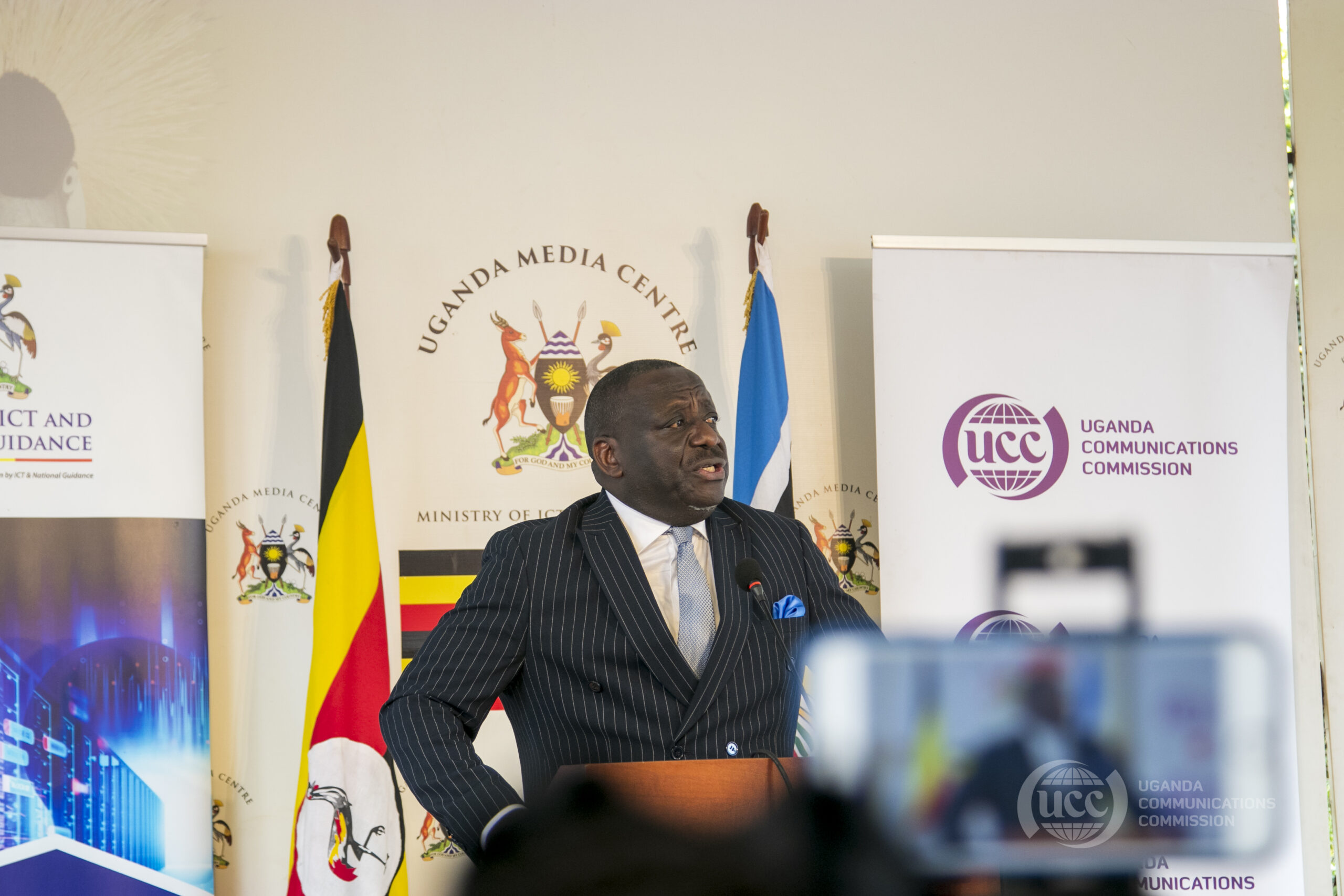
KAMPALA, January 5, 2026 – The Permanent Secretary of the Ministry of ICT and National Guidance, Dr Aminah Zawedde, and the Executive Director of the Uganda Communications Commission (UCC), Hon. Nyombi Thembo, on Monday addressed the media on matters relating to the forthcoming elections.
The engagement, held at the Uganda Media Centre, focused on two closely related issues that have dominated public discourse in recent days: the status of Starlink’s operations and licensing in Uganda, and the broader challenge of misinformation and responsible use of communication platforms, particularly during sensitive national moments such as elections.
Dr Zawedde reaffirmed the Ministry’s commitment to promoting access to information, digital inclusion, and the responsible use of information and communication technologies. She emphasised that ICTs and media platforms play a central role in democratic participation by enabling citizens to access accurate and timely information – a role that becomes even more critical during electoral periods.
She further noted that the ministry has conducted several engagements with broadcasters and media stakeholders across the country to underscore the importance of professionalism, ethical conduct, and accountability in election coverage. These efforts, she said, have been complemented by ongoing nationwide sensitisation through radio programmes, digital platforms, and direct engagements with media practitioners.
However, Dr Zawedde observed that despite these efforts, some media actors continue to spread harmful propaganda and outright falsehoods. Responsible media coverage during elections, she stressed, is not optional but essential for peace, public order, and national stability. Media platforms must not be abused to incite violence, spread misinformation, or undermine the credibility of the electoral process.
Turning to digital platforms in particular, the Permanent Secretary reminded the public that online spaces are not exempt from the law. She cited the Computer Misuse Act, noting that it applies to online conduct, including the spread of false information and offensive communication. Freedom of expression, she said, must be exercised responsibly and within the framework of the law.

Addressing the status of Starlink operations in Uganda, Hon. Nyombi Thembo clarified that Starlink Global Internet Services Ltd has expressed interest in working with the Government of Uganda to offer satellite-based broadband services. Uganda, he said, recognises the innovative nature of satellite internet and its potential to enhance connectivity, particularly in remote and underserved areas.
However, the Executive Director emphasised that Uganda is a sovereign state governed by law. Under the Uganda Communications Act and the applicable licensing regulations, no individual or organisation, whether local or foreign, may provide telecommunications services in Uganda without approval from UCC. He explained that UCC operates a technology-neutral licensing regime, meaning all service providers must meet the same legal and regulatory standards, regardless of the technology used. This approach ensures fairness, transparency, and consistency across the sector.
He revealed that when Starlink initially expressed interest in operating in Uganda, the Commission clearly outlined the pre-licensing requirements. To date, some of these requirements remain unmet, which is why Starlink has not yet been authorised to commence commercial operations.
Despite this, the Commission observed that Starlink terminals were being illegally imported, sold, installed, and used within Uganda. This situation, the Executive Director explained, arose partly because satellite signals cross borders and Starlink has been licensed in some neighbouring countries. Nevertheless, he stressed that each country has its own regulatory framework, and such services cannot be legally used in Uganda without a local licence.
Following a formal complaint from Uganda, Starlink committed to implementing technical measures to prevent the spill-over of its services into the country, including effective geolocation controls. The company has since acknowledged the illegal use of its terminals in Uganda and deployed additional tools to freeze active Starlink terminals operating within the country.
Hon. Thembo clarified that the Starlink matter is routine regulatory work and is unrelated to the elections. He further disclosed that UCC is also reviewing applications from other satellite operators, including OneWeb and Amazon’s Project Kuiper, among others. Ultimately, he said, licensing decisions are guided by public interest, regulatory compliance, and national obligations.
On the issue of misinformation, both the Permanent Secretary and the Executive Director addressed the recent circulation of a fake public notice that falsely claimed an impending internet shutdown. The two leaders dismissed the claims as false, unfounded, and misleading.
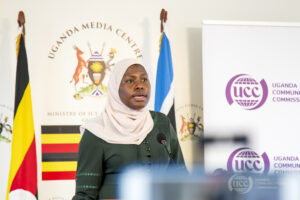
“The Government has not announced, directed, or implemented any decision to shut down the internet during the election period,” Dr Zawedde said. “Such misinformation unnecessarily creates fear, undermines public confidence, and risks heightening tension at a critical national moment.”
Echoing her remarks, Hon. Thembo noted that no stakeholders have expressed a need to shut down the internet, adding that if such extraordinary intervention were to be considered, the public and other stakeholders would be duly informed in the spirit of transparency, accountability, and consumer protection.
The Executive Director urged the public to avoid speculation and to verify information before sharing it, warning that forwarding false information is an offence under the law.
He also called on broadcasters and digital content creators to adhere strictly to their licensing obligations, cautioning against the live streaming of riots, protests, or activities that threaten public order. Additionally, he reiterated that only the Electoral Commission has the legal mandate to declare election results.
“Sharing unverified or premature results is illegal and may cause unnecessary panic. All election results must be officially announced and attributed to the Electoral Commission,” he said.
Hon. Thembo urged service providers to comply fully with licensing requirements, encouraged the media to report responsibly, and called on the public to verify information before sharing it.

Related Posts