
September 22, 2026: UCC’s Uganda Computer Emergency Response Team (UgCERT), with support from the Forum…
CONSENSUS PREVAILS AS ATU ADMINISTRATIVE COUNCIL CHARTS THE WAY FORWARD FOR AFRICA’S DIGITAL FUTURE
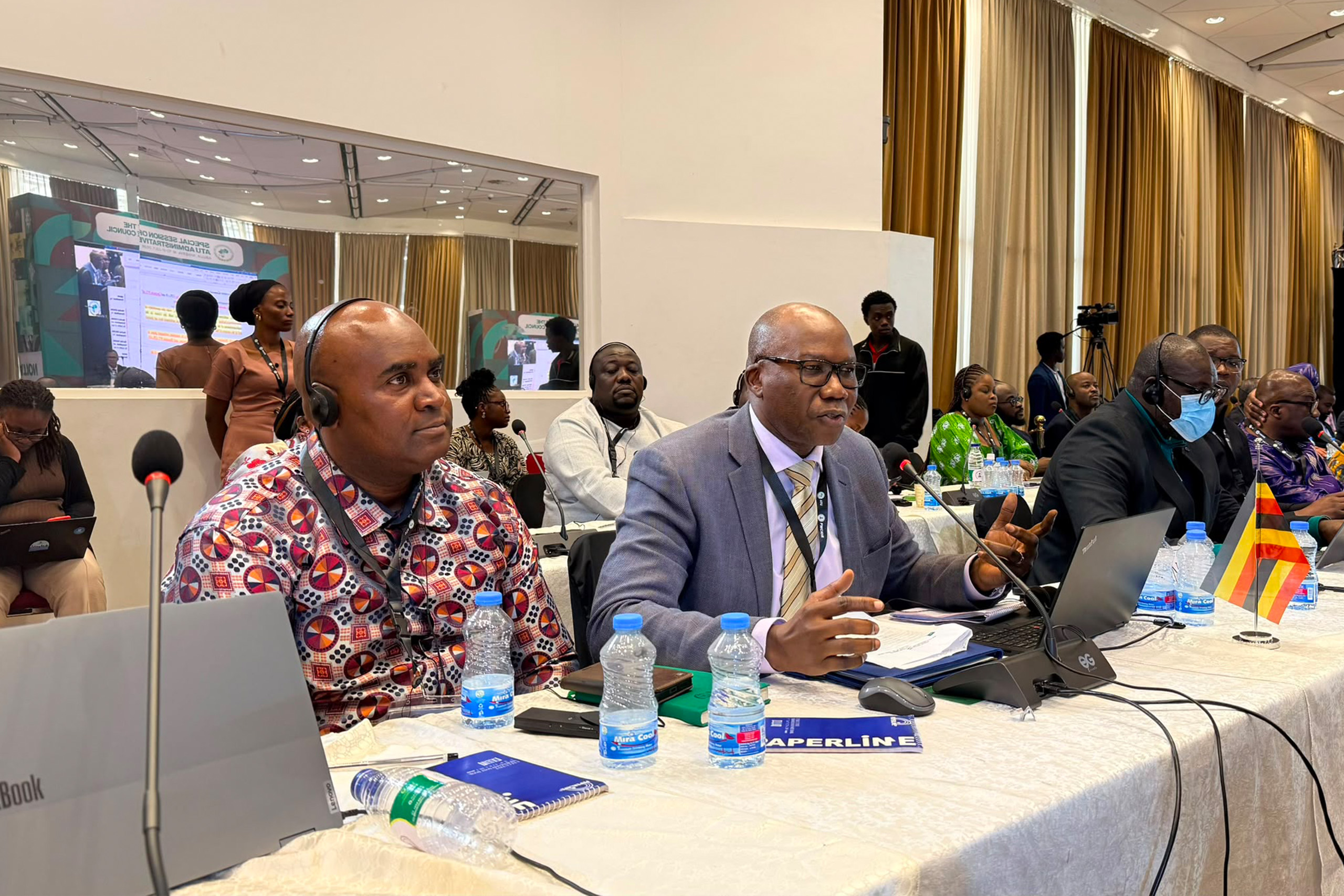
After two days of intense deliberations, the African Telecommunications Union (ATU) Administrative Council concluded its special session with a renewed commitment to stronger governance, financial sustainability and institutional reform. More importantly, it demonstrated that even the most complex issues can be resolved when Member States place the interests of the Union above individual positions.
The closing session was defined not by disagreement, but by the willingness of delegates to listen, compromise and work towards shared solutions. As the Council adopted a package of resolutions and decisions for submission to the Conference of Plenipotentiaries (CPL), one message emerged clearly: Africa’s communications future will be built through collaboration, not confrontation.
From Robust Debate to Meaningful Decisions
The Council’s work reflected the complexity of governing a continental organisation serving diverse Member States. Delegates navigated challenging discussions on institutional reforms, financial sustainability, governance, and the future direction of the Union. Rather than allowing differing views to stall progress, members chose dialogue over deadlock, ensuring that the business of the Union moved forward.
Among the key outcomes was a balanced approach to the treatment of Member States’ arrears. Recognising the need for both flexibility and accountability, the Council agreed that the Secretary-General should continue engaging Member States in line with previous Conference decisions while developing a comprehensive framework to guide future arrears management in accordance with the Union’s Constitution and Convention.
The Council also reaffirmed progress towards relocating the ATU headquarters to Kinshasa, Democratic Republic of Congo. Delegates endorsed continued collaboration between the Secretariat and the host country to ensure a smooth transition, alongside measures to maintain operational continuity throughout the implementation process.
Beyond these discussions, the Council approved a broad package of reforms aimed at strengthening governance, modernising financial management, enhancing institutional accountability, improving risk management, advancing resource mobilisation, and positioning the Union for its next strategic phase.
Uganda’s Call for Unity Sets the Tone
As discussions reached some of their most difficult moments, Uganda delivered a timely reminder that the Union’s strength lies not in winning debates, but in advancing common solutions.
Calling on delegates to embrace collaboration, Uganda urged Member States to focus on building on one another’s contributions rather than defending individual positions.
“As we debate in this forum, we are not in a contest of ideas. We are not in a contest of testing ego. We are here to build on each other’s ideas. Therefore, we should learn to compromise where possible so that the Union moves forward.”
The intervention captured the spirit that ultimately shaped the closing session. It served as a reminder that strong institutions are built through mutual respect, constructive dialogue and a shared commitment to the greater good. By the time the Council concluded its work, that spirit of compromise had enabled Member States to reach consensus on the key matters before them.
Strengthening the Union for Tomorrow
The discussions also highlighted the importance of strengthening the foundations of the Union itself. Delegates acknowledged that effective governance depends not only on sound policies but also on sustained commitment from Member States.
In a candid reflection, the Secretary-General reminded delegates that financial discipline is more than an administrative obligation. Delayed contributions have real consequences for the Secretariat’s ability to deliver on its mandate and support the people who keep the Union running. His remarks reinforced the need for Member States to uphold their responsibilities while supporting reforms that will secure the Union’s long-term sustainability.
A Stronger Union, A Shared Future
The Administrative Council concluded by approving thirteen resolutions and two key decisions for onward transmission to the Conference of Plenipotentiaries, while requesting that all adopted documents be translated into the Union’s working languages to ensure broad participation in the next stage of the decision-making process.
While the resolutions represent important institutional milestones, the defining achievement of the session was the spirit in which they were reached. The Council demonstrated that consensus is not the absence of differing opinions; it is the willingness to engage, adapt and work together until common ground is found.
With the Conference of Plenipotentiaries now on the horizon, attention turns from deliberation to implementation. The decisions adopted during the closing session provide a stronger foundation for a more resilient, accountable and future-ready African Telecommunications Union.
As delegates departed for the evening yesterday, they carried with them more than a set of adopted resolutions. They left with a renewed understanding that Africa’s digital transformation will be shaped not only by policy decisions, but also by the partnerships, trust and collective leadership that continue to strengthen the Union.
Related Posts