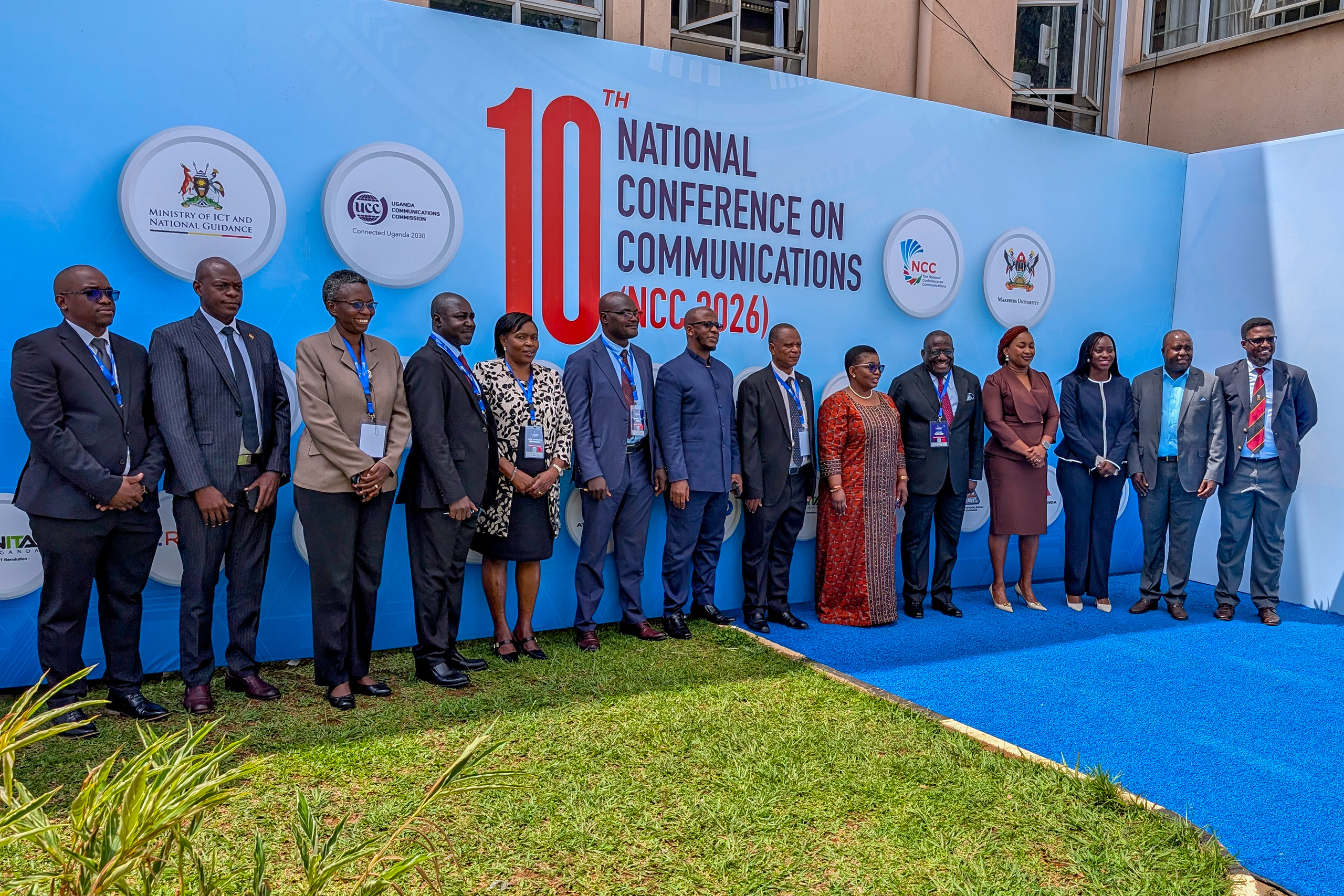
LONDON, September 30, 2026 – Uganda has joined other members of the Commonwealth Telecommunications Organisation…
UCC ED OUTLINES CLEAR PATH FOR SATELLITE TECHNOLOGY UNDER EXISTING TELECOM RULES
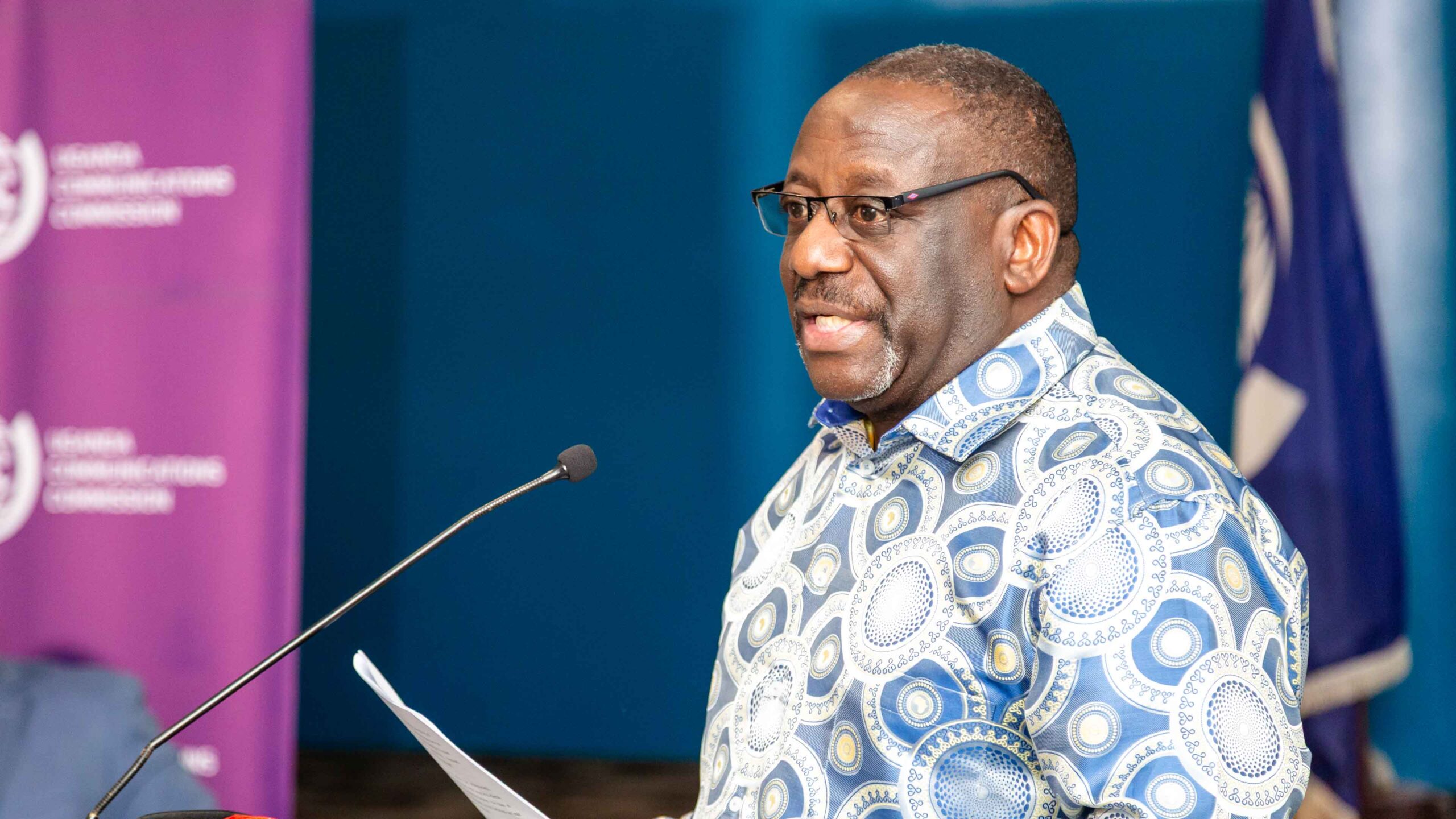
Recent public comments attributed to me have given the impression that Starlink is to launch direct-to-consumer services in Uganda this week, in partnership with Airtel Uganda. While this interpretation is understandable due to the excitement around satellite technology, it is not accurate. Therefore, it is important to clarify the facts.
A group-level strategic agreement has been announced between Airtel Africa and SpaceX, the parent company of Starlink. This agreement enables Airtel Africa to consider utilising Starlink’s satellite capacity within its network solutions, depending on regulatory approvals in each country.
This development took place amidst an ongoing regulatory review of Starlink’s licensing application. Recently, Airtel notified the regulator of its plan, at a regional level, to incorporate satellite capacity into its network. While such innovation is important and appreciated by the regulator, it does not mean an immediate market launch.
WHAT THIS DOES NOT MEAN
To clarify, Starlink would not offer services directly to consumers in Uganda. There will be no retail service launch in Uganda this week, and currently, no approval has been granted for direct-to-consumer Starlink operations in the country.
As it is, Starlink lacks the necessary regulatory authorisation to provide services directly in Uganda or even through licensed entities. We reiterate that no entity can operate in Uganda without proper authorisation, even though satellite signals cross borders.
THE MODEL: WHOLESALE VS RETAIL
The model being discussed is a wholesale satellite capacity model. In this approach, once all regulatory requirements are met by Starlink, Airtel Uganda can utilise satellite capacity as part of its infrastructure to improve its network, akin to how operators use fibre, microwave links, or subsea cables.
Under this arrangement, the customer relationship is maintained with Airtel Uganda rather than Starlink. The service is provided under Airtel’s license, while regulatory oversight continues to fall under the Uganda Communications Commission.
This distinction is crucial. When satellite technology links to a terrestrial core network, it operates as infrastructure rather than as a retail service directly engaging consumers. This difference fundamentally influences how regulation is applied.
POLICY ON SATELLITE TECHNOLOGY
Uganda’s policy on satellite technology is clear and consistent. Satellite technology is regarded as welcome, essential, and increasingly vital, especially for expanding connectivity to remote and underserved regions. Nevertheless, with government guidance, the Commission has consistently advised adopting a Wholesale Satellite Model.
In this model, satellite providers deliver capacity to licensed national operators, who then serve customers while adhering to Uganda’s laws, consumer protection standards, security protocols, and data governance frameworks.
The wholesale model is crucial for achieving three significant outcomes:
Regulatory Oversight and National Security
By maintaining lawful interception capabilities, enforcing quality of service, and regulating content, the wholesale model aligns with the requirements of the Data Protection and Privacy Act. In today’s digital economy, data has become a strategic national asset, making its protection a fundamental regulatory responsibility.
Consumer Protection and Accountability
Ugandan consumers get to benefit from essential services such as local customer support, pricing transparency, and effective dispute-resolution mechanisms. Additionally, the wholesale model establishes enforceable service standards that contribute to a more reliable consumer experience.
Sustainable Industry Growth
Lastly, the wholesale model safeguards national investments, fosters competition, preserves jobs, and generates tax revenues while still enabling innovation. Although disruption in the market is permitted, it must be managed rather than allowing uncontrolled entry that could jeopardise existing frameworks.
Furthermore, competition law principles apply. The satellite infrastructure must remain non-exclusive, ensuring that no vertical restrictions prevent other licensed operators from accessing satellite capacity on fair and equitable terms if they choose to do so.
MANAGING INNOVATION RESPONSIBLY
Low-Earth-Orbit satellite technology has significant potential to enhance capacity and resilience in telecommunications networks. However, satellite communications also introduce specific concerns such as geopolitics, data sovereignty, and content regulation. These issues require a careful, well-approved strategy.
The Commission is thus subjecting this initiative to a regulatory review. We anticipate the process will be efficient, and if clarifications are required, we will openly communicate with the involved parties to promote mutual understanding and adherence.
When satellite capacity is deployed through a licensed operator, such as Airtel Uganda, it will operate under specific guidelines, regulated by the Uganda Communications Commission. This will ensure compliance, standards and alignment with Uganda’s national digital development goals.
This framework guarantees that there will be no bypassing of the regulator, no uncontrolled market entries, and no unexpected launches outside the legal framework.
CONCLUSION
Uganda is committed to expanding connectivity wherever its people live, work, and travel, while embracing new technologies such as satellite solutions in a responsible, secure, and public-interest–driven manner.
Hon. Nyombi Thembo
EXECUTIVE DIRECTOR, UCC
Related Posts