
KAMPALA, August 29, 2026 - Uganda’s film industry celebrated yet another milestone of excellence last…
International Day for PWDs

Overcoming barriers; building bridges towards an inclusive digital environment
For the digital transformation agenda to achieve its goal of universal meaningful connectivity, it must ensure that no one is left behind, including Persons with Disabilities (PWDs) and Persons with Specific Needs (PwSNs).
This vision strongly resonates with the Uganda Communications Commission’s commitment to driving a digitally inclusive economy where every Ugandan can fully participate and benefit from ICT-enabled opportunities.
In today’s interconnected world, where everyone is expected to confidently leverage ICTs for educational, social and economic empowerment, it is essential that PWDs and PwSNs are fully included in both the national and global digital transformation agenda.
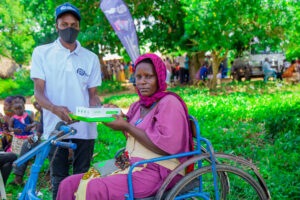
As the world commemorates the International Day of Persons with Disabilities (IDPD) 2025, under the theme “Fostering Disability-Inclusive Societies for Advancing Social Progress,” the Uganda Communications Commission, under the strategic stewardship of the Ministry of ICT and National Guidance, joins the globe in commemorating this auspicious day.
According to the 2024 National Population and Housing Census, there are approximately 1,289,513 PWDs aged five years and above in Uganda. This day is, therefore, a profound reminder of Uganda’s commitment to building inclusive systems that empower all citizens.
Recognising ICT as a key enabler of socio-economic transformation, the Government of Uganda, through Ministry of ICT and National Guidance, developed the Digital Transformation Roadmap (2023/24–2027/28). The roadmap identifies critical enablers necessary to achieve the Digital Uganda Vision 2040. Objective 4 of the roadmap specifically highlights the role of ICTs in advancing inclusive development through digital literacy programmes and up-skilling initiatives that empower all people, including PWDs, to participate in the digital economy.
In line with this, the Uganda Communications Act, 2013 (Cap 108) mandates UCC to promote research and adoption of new communication technologies, including those that enhance accessibility for PWDs and special-interest groups. The Act established the Uganda Communications Universal Service and Access Fund (UCUSAF) to facilitate ICT development in rural, unserved and underserved areas.
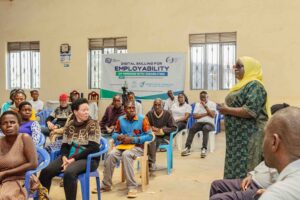
The Commission, through UCUSAF, has championed digital inclusion programmes such as ICT in Education, Access Infrastructure, ICT in Agriculture, Research and Innovation, and Digital Skilling, among others, ensuring that no one is left behind.
Guided by the four strategic pillars; Access; Adoption and Usage; Value Creation; and Cooperation, the Fund’s Strategic Plan (2023/24–2027/28) outlines interventions and collaborations aimed at bridging the digital divide and empowering Ugandans to thrive in the digital age.
Furthermore, aligned with national and international priorities, the Commission through UCUSAF has implemented several interventions through strategic partnerships to enable PWDs to attain digital skills in order to bridge the existing digital divide and ensure equal opportunities for all. These interventions are grounded in research that identifies critical inclusion gaps and priority areas for action.
For example, the first baseline study conducted in 2021 established key indicators on PWDs’ access to e-services, technology needs, content requirements and information gaps across various disability categories.
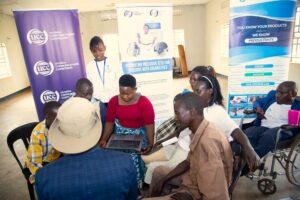
In order to realise impactful deliverables, the Commission partnered with the National Union of Disabled Persons of Uganda (NUDIPU) in a phased project approach to address limitations that hinder PWDs from actively and confidently participating in the digital ecosystem across the country. Particular emphasis has been placed on equipping PWDs with basic and entrepreneurial ICT skills.
These targeted digital skilling programmes, especially for the blind, heard-of-hearing and the deaf, have yielded remarkable results, including:
- Training over 2,000 PWDs across the country in basic ICT and employability skills. Viola, a beneficiary of the Digital Skilling Programme from Isingiro District, had this to say:
“I am deeply grateful to UCC for the digital training programme. I have gained valuable skills that I believe will transform the way I work. Going forward, I am committed to applying this knowledge to become more productive, especially through the use of digital platforms.”
- Provision of accessible ICT technologies and tools to educational institutions (from primary to tertiary levels), Public Access Centres (PACs), and District Unions (DUs) to enhance inclusive education and community empowerment.
- Support towards development of assistive technology prototypes aimed at improving access to social services, mobility and promoting financial independence for PWDs.
Beyond these interventions, the project has also contributed to broader national inclusion outcomes, including:
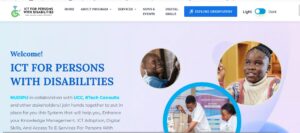
- Development, upgrade and expansion of the first national PWDs Digital Observatory application and website with enhanced accessibility features, AI chatbot integration and improved data management tools.
- Profiling of over 150,000 PWDs to inform targeted planning and programme design across the country with the target of profiling 160,000 by the end of 2026.
- Development of over 35 District Union websites to strengthen local-level coordination and information access.
- Enhanced awareness, advocacy and collaboration aimed at promoting more inclusive and accessible digital interventions within government and private-sector ecosystems.
As we join our brothers and sisters in commemorating this auspicious day, we are reminded of the need for collective, intentional and impactful strategies to further strengthen PWDs’ participation in a rapidly evolving global digital ecosystem.
Moving forward, key strategic interventions include:
- Strengthening multi-sectoral collaboration to deliver larger and more impactful interventions.
- Establishing additional regional hubs where PWDs can freely access devices, connectivity and digital services.
- Advocate for subsidising assistive technologies and tools/devices to promote affordable and inclusive access.
- Undertaking and promoting research, innovation and development of new accessible technologies/ICTs, and devices/tools suitable for PWDs, while prioritising affordability and local production.
- Encouraging and enforcing media compliance with accessibility standards to ensure inclusive communication for all.
- Advocating for the involvement of PWDs, both individually and through representative organisations, in the development of legal frameworks, public policies and standards that affect them.
Happy IDPD2025!
Related Posts